2017 Annual Report
MOVING MARKETS
to make Finance work for Inclusion
To achieve the Sustainable Development Goals (SDGs), we need to renew our focus on the countries that are most in need, and on investment areas that are critical to ensuring that no one is left behind. Least Developed Countries (LDCs) face significant financing gaps as they seek to graduate with inclusion. Many are very reliant on Official Development Assistance to complement scarce domestic public resources. As important as these are, they are not enough to bridge financing gaps to achieve the SDGs.
This reinforces the importance of using development finance to accelerate economic growth, build local capacities, and mobilize additional public and private resources for sustainable development. This is why UNCDF works to innovate financing approaches where few others are present; to create demonstration effects that, replicated and taken to scale, help transform markets, build inclusive financial markets and local development finance systems; and leverage funding from domestic and international actors into catalytic investments in local economies.
This work takes place in a broad context that is creating exciting opportunities to make finance work for poor people. Many private sector actors are playing an increasingly active role in development, with a growing number focusing on double or triple bottom lines or looking for other ways to support the SDGs. New financing models and tools are being developed or are ripe for adaptation in LDC contexts. The expansion of digital and mobile technologies and Fintech firms is extending the reach of services and finance in LDCs, while bringing down costs and empowering women and girls. Local governments are increasingly being recognized for their essential role in meeting global challenges, such as adapting to climate change and responding effectively to urbanization and migration.
Expanding the frontiers of finance requires a healthy risk appetite; programmes may not always be successful at the first attempt. Getting the right mix of international and domestic, public and private capital instruments lined up to make finance work for inclusion at the local level can take time. Yet taking those risks—focusing where households are underserved and excluded, and where few others see viable markets or business propositions—is important to show what can be achieved when resources are targeted to reduce inequalities between and within countries.
That is why UNCDF is collaborating with a range of private and public partners to create and apply new financing approaches, digital and clean energy technologies, and creative solutions that work for poor men and women, small and medium-sized enterprises (SMEs) and local governments that are otherwise at risk of being left even further behind. Many examples of this work are captured in this report, which I hope you will find enlightening. I also hope this report will inspire you to reach out to us to share your lessons and ideas; we actively seek to engage with our partners to build on what works and learn from what does not.
Getting the finance piece of the SDGs right is critically important as development finance adapts to the new demands of a new era. We need to build on this opportunity to create a new generation of solutions that work for inclusion, for poor families, and for the last mile. I thank all our funding and implementing partners for supporting us to make that happen, and look forward to working with all of you to get finance flowing to where it is needed most.
Judith Karl
Executive Secretary

Getting the finance piece of the SDGs right is critically important as development finance adapts to the new demands of a new era
Judith Karl
Executive Secretary
UN Capital Development Fund
Read Annual Report 2017
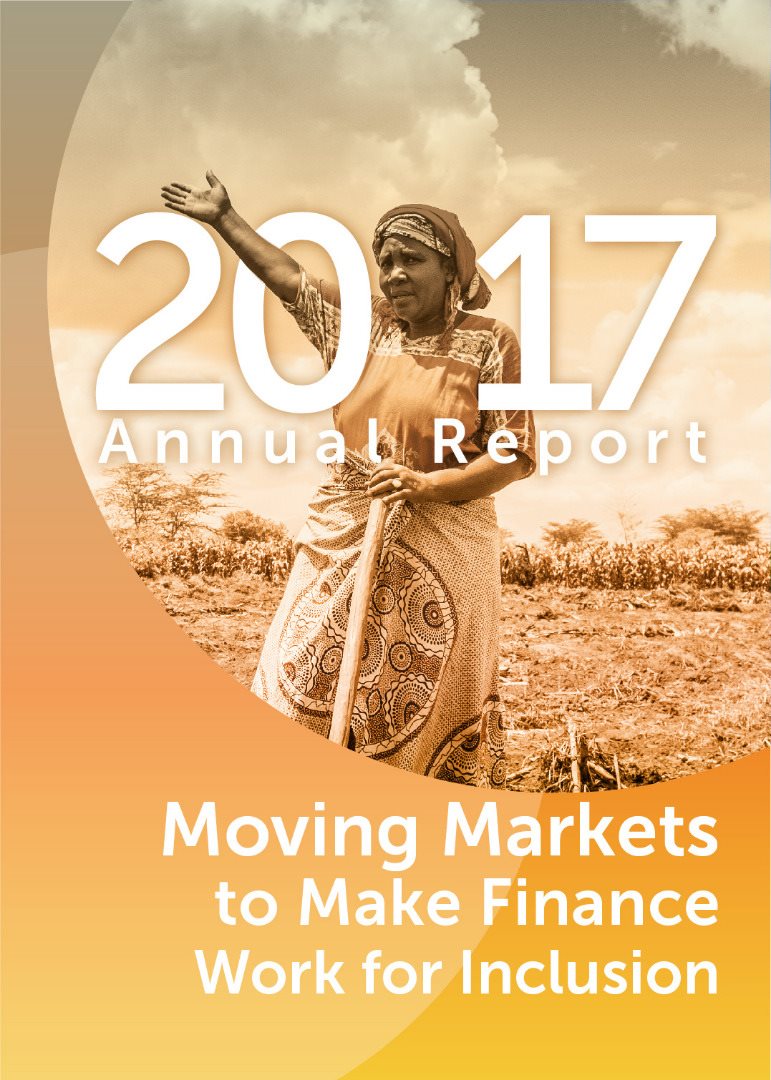
To achieve the Sustainable Development Goals (SDGs), we need to renew our focus on the countries that are most in need, and on investment areas that are critical to ensuring that no one is left behind. Least Developed Countries (LDCs) face significant financing gaps as they seek to graduate with inclusion. Many are very reliant on Official Development Assistance to complement scarce domestic public resources. As important as these are, they are not enough to bridge financing gaps to achieve the SDGs.
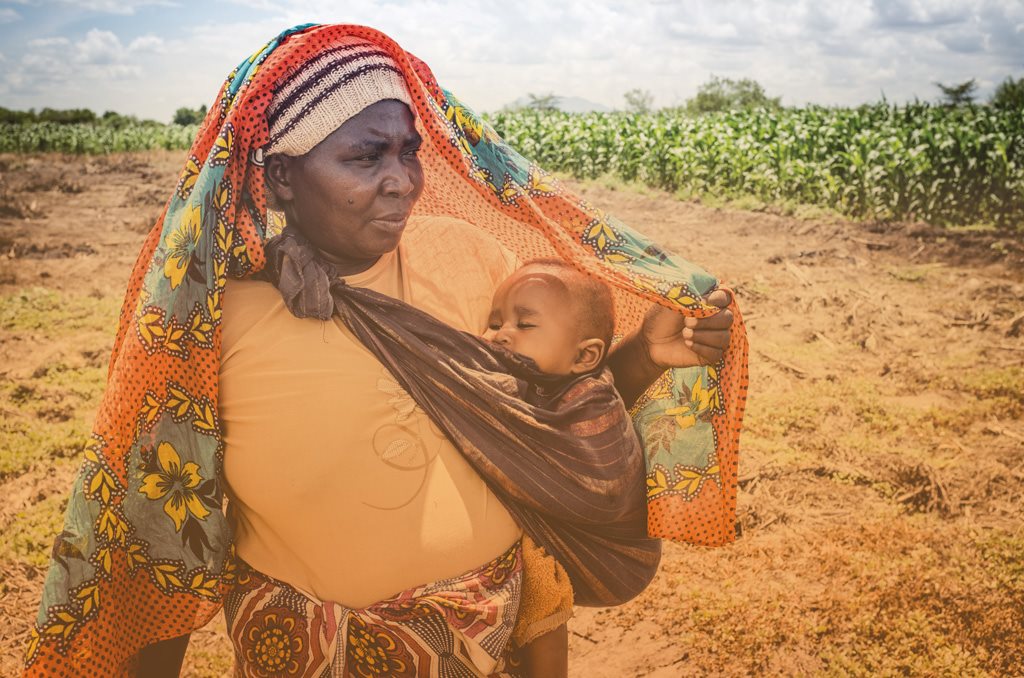
Getting the right mix of international and domestic, public and private capital instruments lined up to make finance work for inclusion at the local level
 Expanding the frontiers of finance requires a healthy risk appetite

clients using digital
payments through
UNCDF-supported FSPs
Net Increase in
FSPs deposits through
UNCDF Support
Local infrastructure
projects completed
Local Governments
supported across
23 countries
financial clients reached
by UNCDF supported products.
53% were women
New financial products
piloted leveraging
$445m in client savings
Change in the
Local Fiscal Space
of targeted Local Governments integrated resilience in
13 countries
|
|
|
|
|
Get the latest updates to your inbox